Every crocheter has hit that frustrating moment—you’re cruising through a pattern when suddenly an unfamiliar abbreviation brings you to a complete stop. Whether you’re staring at “sc,” “dc,” “tr,” or something even more mysterious, this guide will clear up the confusion and get you back to your hook.

Learning to decode pattern abbreviations is honestly the biggest game-changer for any crocheter. Once you nail these shortcuts, patterns become so much easier to follow, and you’ll work through them faster than ever before.
Related Articles
- 17 Crochet Winter Free Patterns for Beginners
- 9 Crochet Christmas Tree Free Patterns
- 8 Knee High Socks Free Crochet Patterns
Pattern Instruction Abbreviations
Beyond the actual stitches themselves, designers use tons of shorthand to explain what you need to do with those stitches. Terms like “rep,” “sk,” “cont,” and “tog” show up constantly in patterns, and knowing what they mean saves you from re-reading instructions over and over. These abbreviations tell you how to work, where to work, and when to move on to the next step.
Amigurumi Stitch Abbreviations
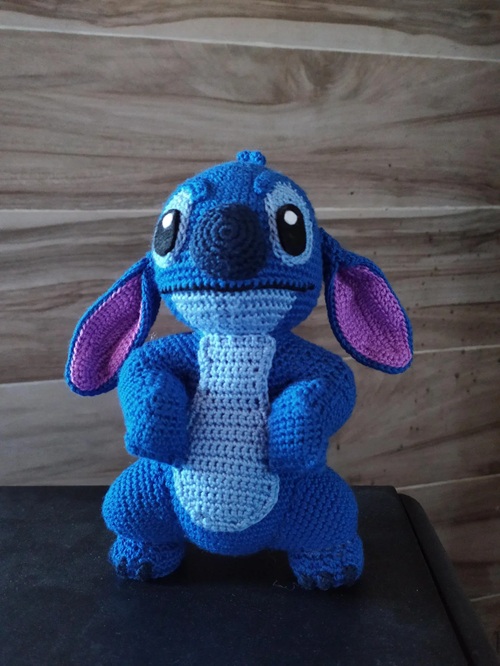
If you’re getting into amigurumi, you’ll notice a few unique terms that pop up constantly. The magic ring (or magic circle), fasten off, and invisible decrease are essential moves that give your stuffed creatures that professional, polished look.
Basic Crochet Stitch Abbreviations
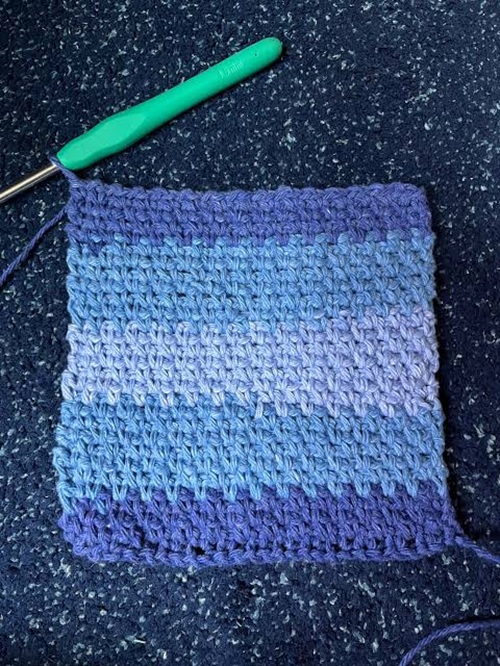
These are the building blocks of every project. From the simple chain that starts it all to the tall treble crochet used for lacey designs, understanding these core stitches and their abbreviations opens up a world of patterns.
US vs. UK Terminology: A Critical Difference
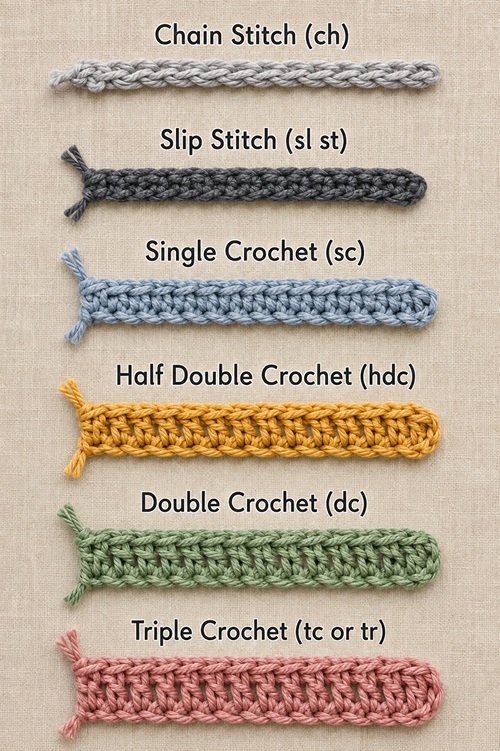
Here’s something that trips up even experienced crocheters: a “double crochet” in the US is completely different from a “double crochet” in the UK. The names don’t match up, which means using the wrong terminology could totally change your finished project. Always check at the start of a pattern which system the designer is using.
Front & Back Post Stitch Abbreviations
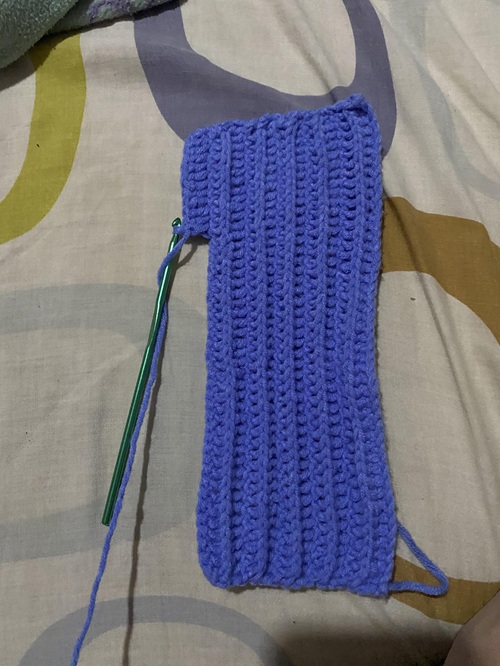
Working around the post of a stitch instead of into it creates ribbed, textured effects that look totally different from regular stitches. These abbreviated versions show you exactly where to place your hook for that elevated look.
Textured Stitch Abbreviations
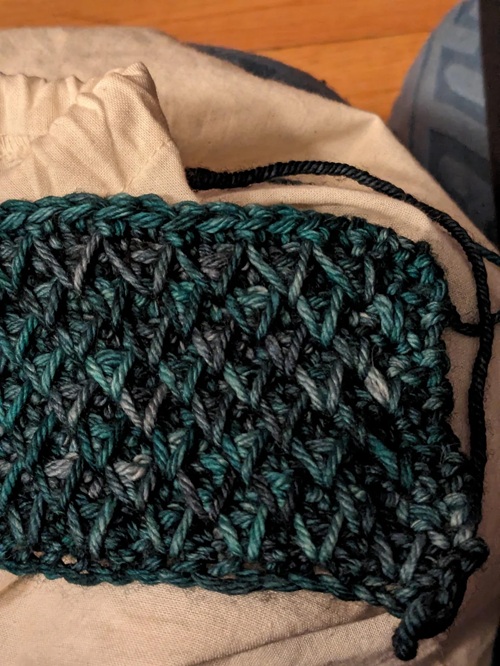
Puff stitches, bobbles, popcorn, and clusters all add dimension and visual interest to your work. These special techniques have their own abbreviations, and once you learn them, you’ll start spotting them in patterns you never thought you could tackle.
How Abbreviations Work in Written Instructions
When you’re reading through a pattern line-by-line, abbreviations always flow left to right just like normal writing. Each short form tells you exactly which stitch to make and where to place it. For example, “sc in next st” means work a single crochet into the next stitch, while “ch 3” simply means chain three times. Seeing “rep from * to end” means you keep repeating those marked instructions until you finish the row or round. Most patterns helpfully include an abbreviation key right before the instructions begin, so you can quickly flip back if something looks unfamiliar.
Loop & Placement Abbreviations
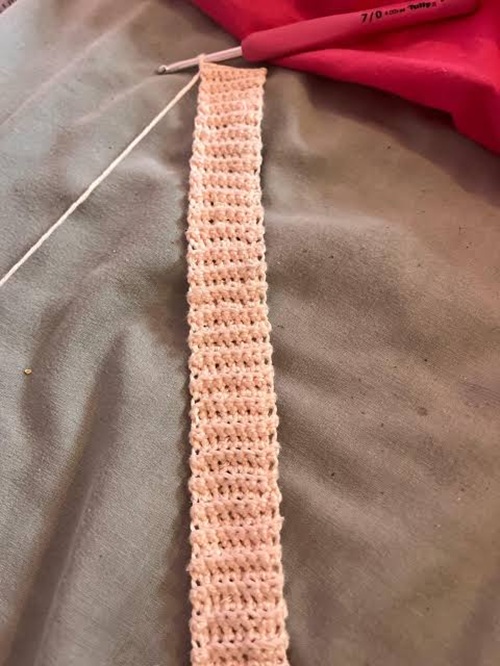
These terms tell you which part of the stitch to work into. Front loop only and back loop only create different textures, while front post and back post stitches wrap around the vertical part of the stitch itself. Knowing where to place your hook makes all the difference in how your finished piece looks.
Increase & Decrease Abbreviations
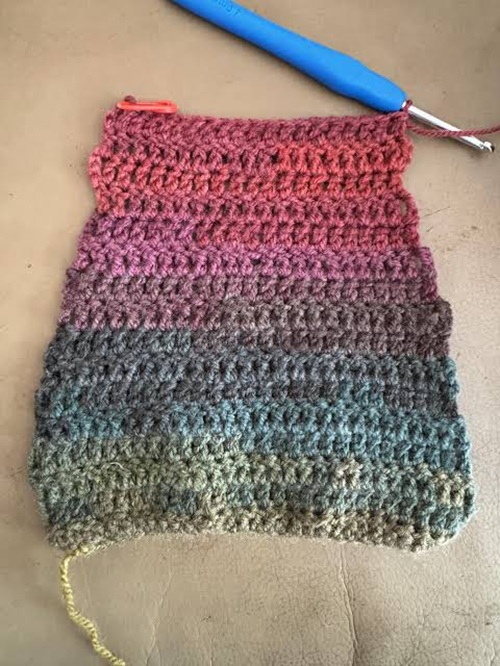
Shaping your projects means knowing how to add and remove stitches. When you increase, you’re making multiple stitches in the same spot to get wider. When you decrease, you’re combining stitches to narrow things down. The invisible decrease deserves special mention because it’s the secret to making amigurumi look seamless.
Foundation Stitch Abbreviations
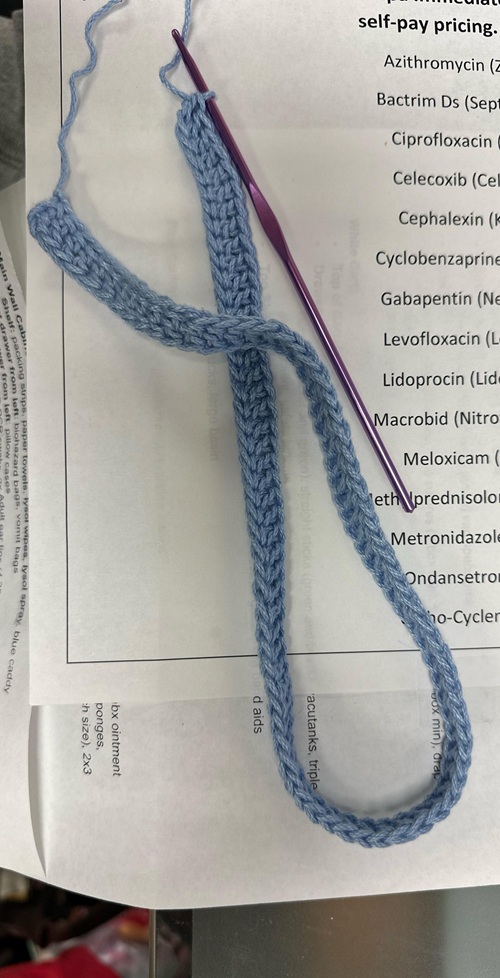
These are game-changers for starting projects smoothly. Instead of making a separate chain foundation and then going back to work into it, foundation stitches build your first row as you go. This method eliminates that awkward tension line and gives you a more even edge right from the start.
Crochet Abbreviations vs. Crochet Symbols
Text abbreviations and symbol charts both serve the same purpose, but they work differently. Written abbreviations like “sc,” “ch,” and “dc” appear in text-based instructions, while symbols show up as tiny diagrams in stitch charts. Many modern patterns include both options so you can choose whichever method feels most natural to you.
