Starting your crochet adventure can feel overwhelming with all the different stitches and techniques to learn. The good news? You don’t need to master everything at once. This guide breaks down the essential stitches every crocheter uses, explaining each one in simple, straightforward terms.

Whether you’re holding a hook for the very first time or getting ready to tackle a new project, knowing these fundamental techniques will help you create with confidence and tackle patterns without getting lost in the terminology.
Related Articles
- 10 Half Circle Rug Free Crochet Patterns
- 12 Crochet Bandana Free Patterns
- 7 Card Holder Free Crochet Patterns
1. Single Crochet (sc)
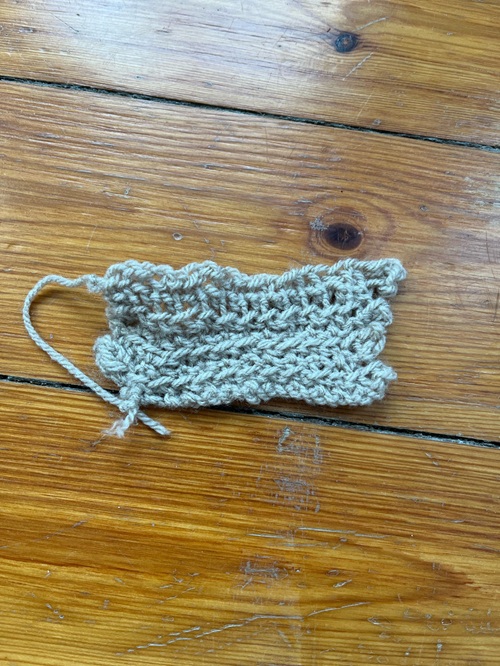
This is where most beginners start after learning the chain. It’s the most basic actual stitch, short and straightforward, making it perfect for amigurumi, dishcloths, bags, and tons of other projects. In US terminology, single crochet is its own thing, which makes it easier to recognize when you’re reading patterns.
2. Double Crochet (dc)
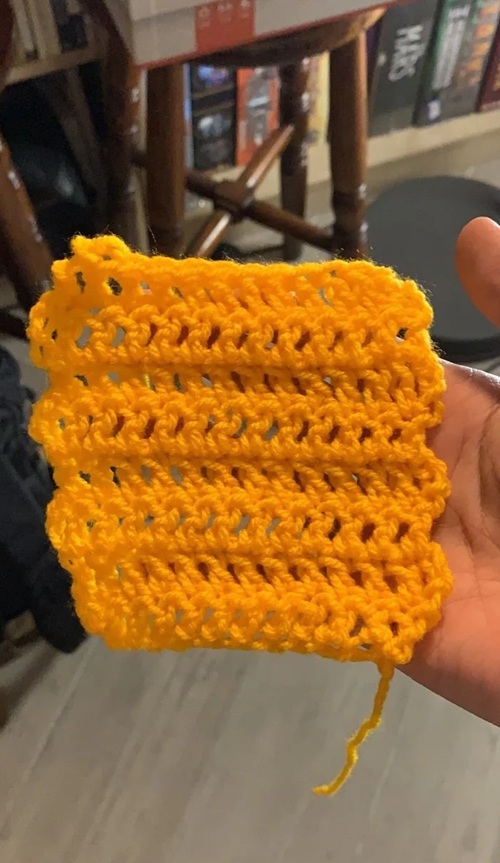
Here’s something to keep in mind: double crochet has the same name in both US and UK terminology, but they actually mean different things depending on where the pattern comes from. It’s a taller stitch that lets you work up blankets, shawls, and sweaters much faster than single crochet.
3. Treble Crochet (tr)
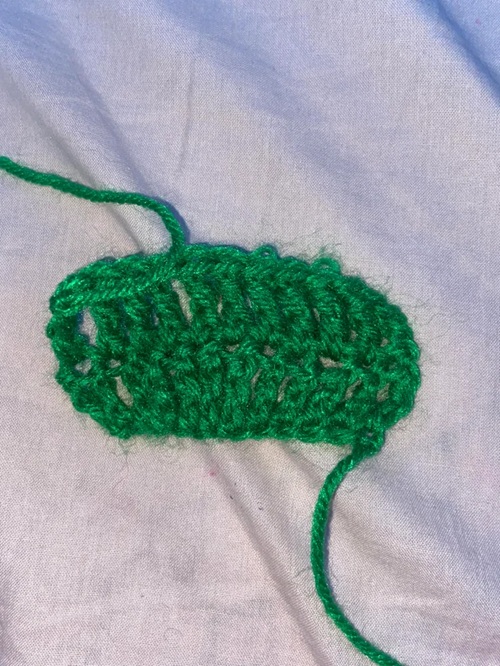
One of the taller basic stitches (also called triple crochet in US terminology), this one shows up a lot in lacy and decorative patterns because it creates a light, airy texture that’s really pretty to look at.
4. Puff Stitch
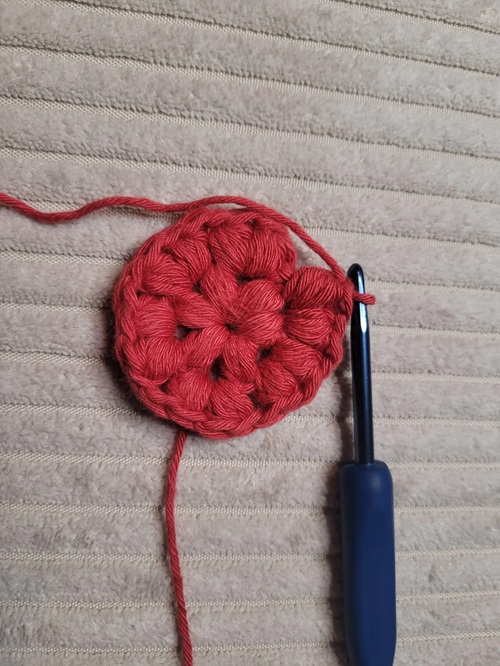
This decorative technique works by creating tall loops multiple times into the same stitch, then joining them all together. The result is a soft, fluffy texture that adds visual interest to any project you’re working on.
5. Slip Knot
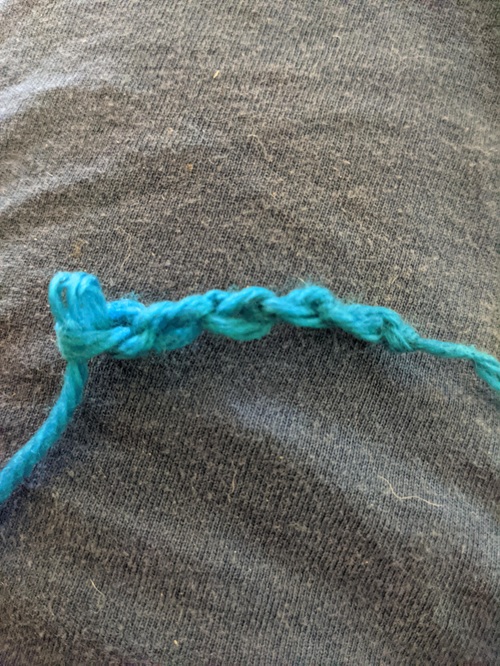
This is the adjustable loop that attaches your yarn to the hook, and it’s how you start almost every crochet project. Even though it’s essential, it technically doesn’t count as an actual stitch in most patterns.
6. Front Post Double Crochet (FPDC)
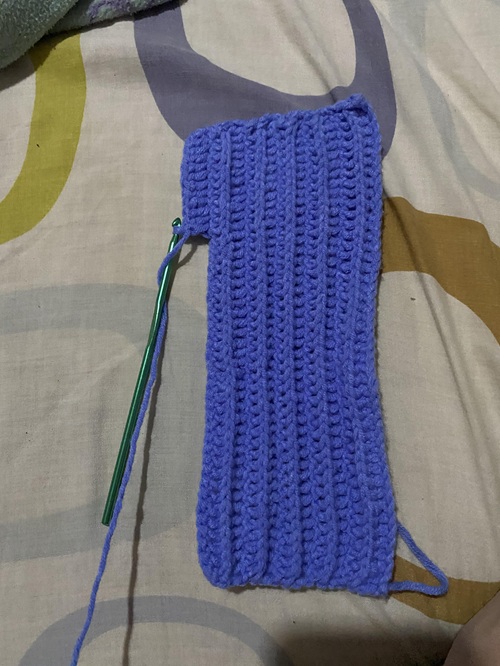
Instead of going into the top loops like a regular double crochet, you insert your hook around the post of the stitch from the front. This creates raised, textured ridges that are perfect for ribbing, cables, and other textured crochet patterns.
7. Shell Stitch
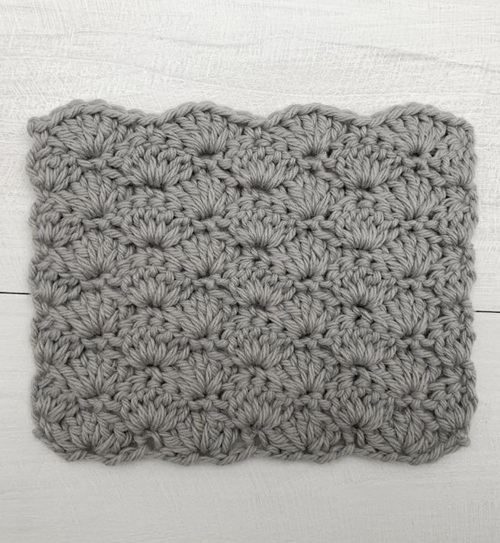
This stitch looks fancier than it actually is. By working multiple stitches into the same spot, you create a fan-like structure. It uses only basic beginner techniques, so it’s great for adding decorative touches to just about any project.
8. Chain (ch)
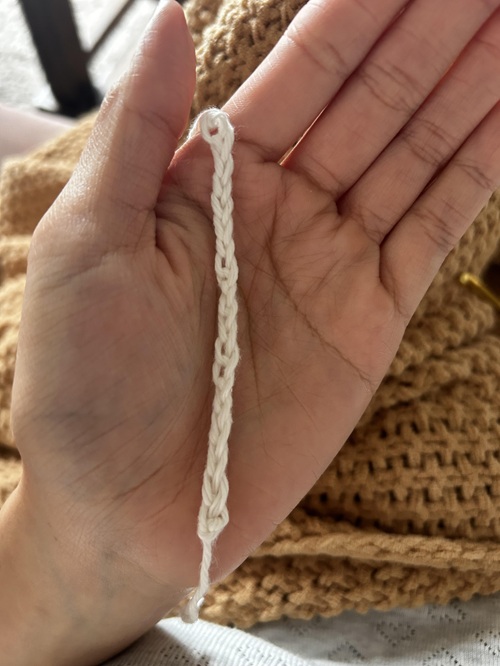
Most flat crochet projects start with a foundation chain. It’s also placed at the end of each row to give your hook space before starting the next row. Chain stitches are especially great for mesh and lace patterns.
9. Bobble Stitch
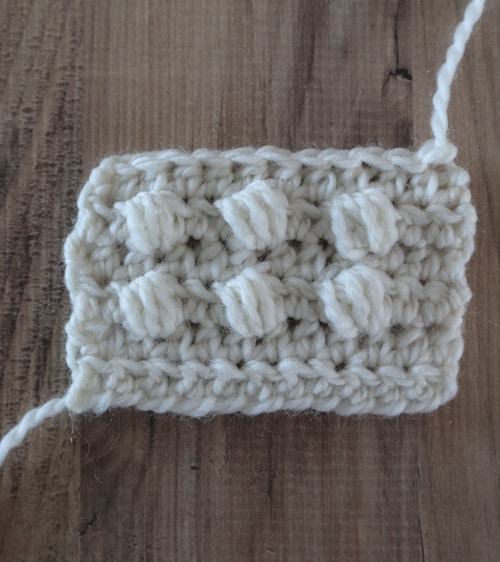
When you work several unfinished double crochets into the same stitch and complete them together, you get a bobble. Look for this technique in 3D projects, blankets, pillows, and toys where designers want a thick, dimensional texture.
10. Half Double Crochet (hdc)
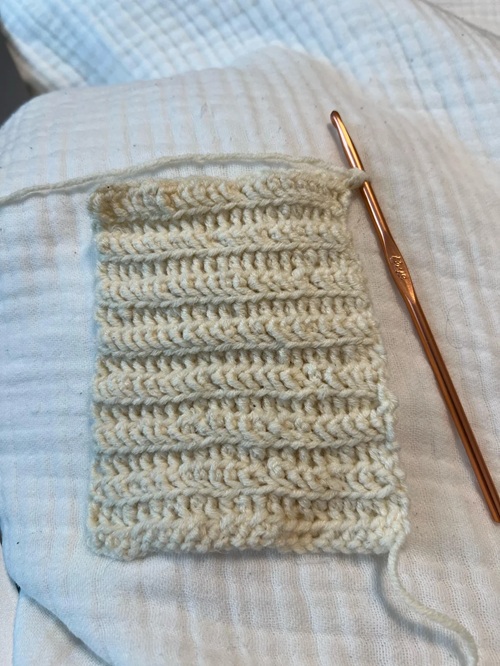
As the name tells you, this stitch sits right between single crochet and double crochet in height. It’s ideal for soft blankets, hats, and scarves because it lets you finish projects faster without sacrificing quality.
11. Magic Ring (mr)
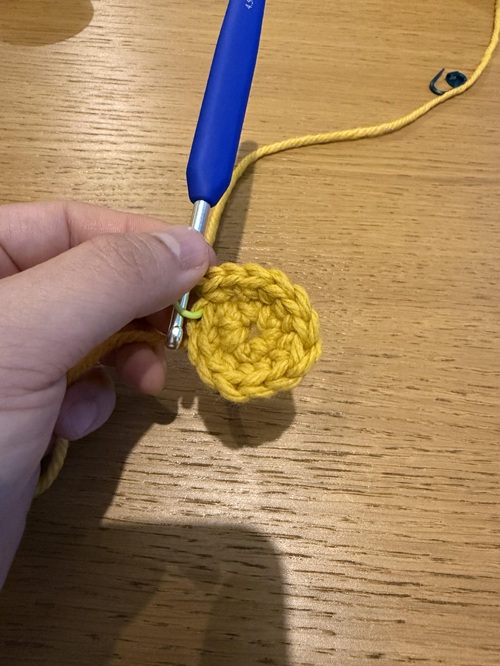
You might also see this called a magic circle in some patterns. It’s an adjustable ring that creates a super tight center point, making it perfect for projects worked in rounds like amigurumi toys and granny squares.
12. Popcorn Stitch
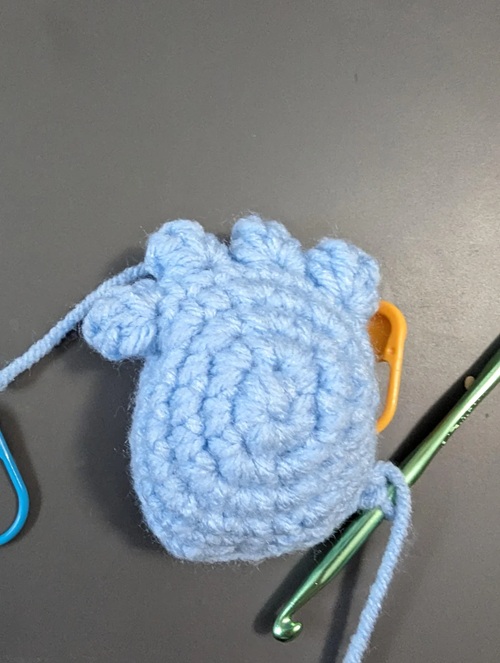
Unlike bobbles, popcorn stitches use several complete double crochets in one spot, then join them all together. This creates a rounded, 3D texture that pops right off your work and adds dimension.
13. Picot Stitch
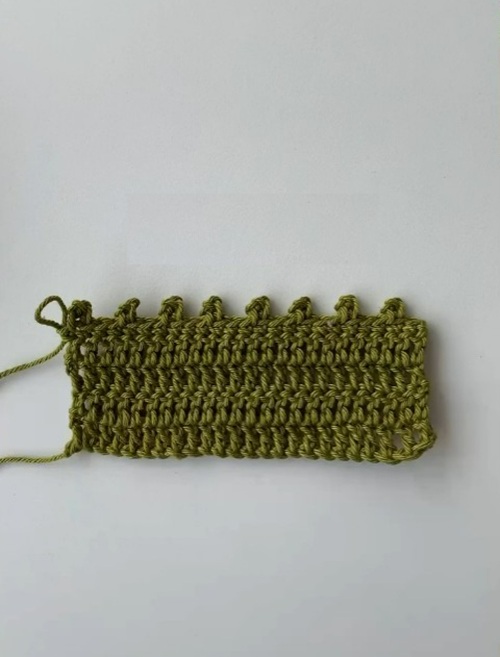
A small loop made with a few chain stitches and attached back into the same spot. It’s perfect for decorating edges on blankets, table mats, coasters, and garments when you want something delicate and pretty.
14. Back Post Double Crochet (BPDC)
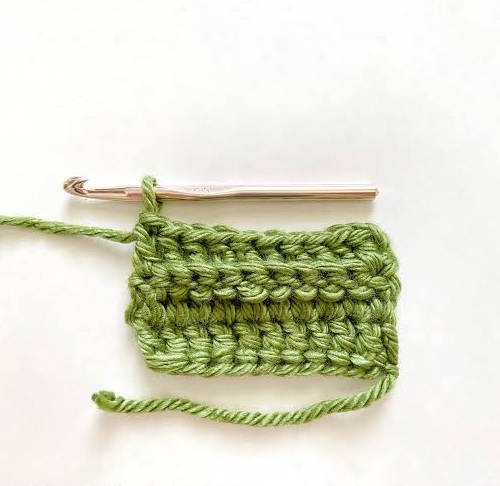
Similar to FPDC but worked around the back of a stitch. When you alternate between front and back post techniques, you create a stretchy texture that’s perfect for making sweaters, cuffs, and hats.
15. Double Treble Crochet (dtr)
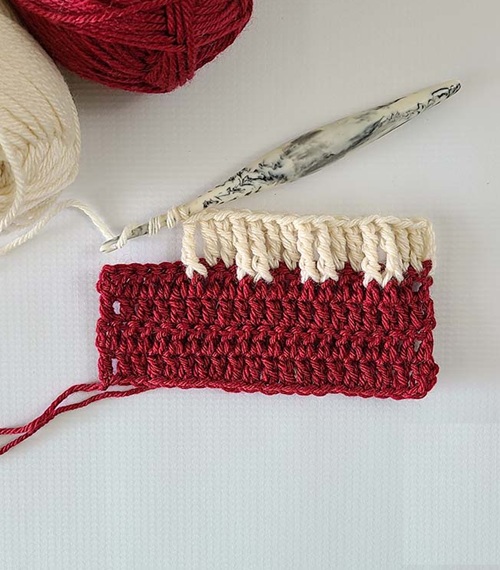
This is an even taller stitch than treble crochet. You’ll see it in lace patterns, decorative motifs, and textured designs where you need that extra height to create airiness and visual interest.
16. Slip Stitch (sl st)
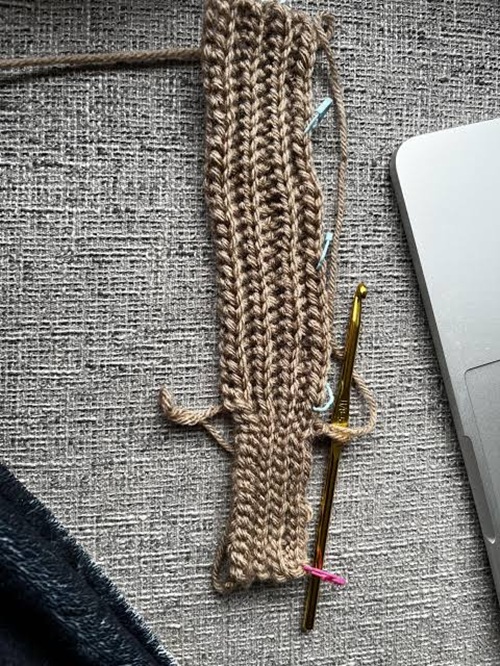
The shortest and simplest stitch around. It’s mainly used to join rounds together, move your yarn, or create clean edges without adding any extra height to your work.
17. Waffle Stitch
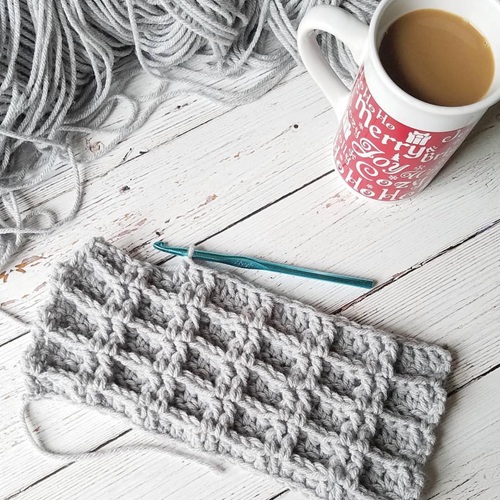
This stitch lives up to its name—it looks just like a waffle! It combines double crochet and front post double crochet techniques to create a grid or honeycomb texture that’s both beautiful and functional.
